
Dealing with mould at home can feel like an endless battle, particularly when it keeps returning after cleaning. While removing visible mould is important, the real solution is usually to identify and control the moisture causing it in the first place. Condensation, poor ventilation, leaks and consistently high humidity can all create conditions where mould thrives.
So, what is the best thing to get rid of mold? The answer depends on where the mould has developed, how extensive it is and, most importantly, what is causing the excess moisture. A combination of careful cleaning, improved ventilation and moisture control is usually more effective than relying on a single cleaning product.
What’s the Best Way to Remove Mould from Walls?
The best way to remove mould from walls depends partly on the type of surface involved. Small areas of mould on hard, washable surfaces can often be cleaned using an appropriate household mould or fungicidal cleaner, following the manufacturer’s instructions.
Vinegar and bicarbonate of soda are also commonly used as household cleaning options. However, cleaning the visible growth does not necessarily deal with the underlying problem. If condensation or dampness remains, mould can return even after the affected area looks completely clean.
When cleaning mould, avoid disturbing it unnecessarily and make sure the room is well ventilated. Wearing household gloves and a suitable face covering can also help reduce direct exposure to mould particles and cleaning products. People who are particularly sensitive to mould or have respiratory problems should take additional care.
For more extensive growth, particularly where mould has penetrated porous materials such as wallpaper, plasterboard, carpets or soft furnishings, simply wiping the surface may not be enough. In these situations, the affected material may need more thorough treatment or, in severe cases, replacement.
What Is the Best Way to Kill Mold Effectively?
Many homeowners search for what is the best way to kill mold, particularly when dealing with persistent or dark-coloured growth. There is no single product that is suitable for every situation. The most appropriate approach depends on the surface, the extent of the mould and the source of the moisture.
Fungicidal mould treatments can be useful for treating suitable surfaces, while household options such as vinegar are sometimes used for smaller areas. However, cleaning alone will not prevent mould from returning if the environment remains damp.
The same applies when people search for what is the best black mold killer? The colour of mould does not, by itself, determine which treatment should be used. Rather than focusing only on the appearance of the mould, homeowners should consider why it is growing and whether there is an ongoing source of moisture.
If mould is widespread, repeatedly returning or associated with a leak or significant damp problem, it may be more appropriate to investigate the property itself rather than repeatedly applying cleaning products.
The Best Way to Get Rid of Mould Long-Term
If you are wondering whats the best way to get rid of mould permanently, the focus should be on moisture control.
Mould needs moisture to grow, so reducing excessive humidity is one of the most important steps in preventing it from returning. Regularly opening windows where appropriate, using extractor fans in kitchens and bathrooms, and allowing damp areas to dry properly can all help.
A dehumidifier can also be useful in rooms that regularly experience high humidity. This can be particularly helpful during colder months when windows may be kept closed more often and condensation becomes a common problem.
It is also important to investigate other potential sources of dampness. Leaking pipes, damaged seals, roof problems and water penetration through external walls can all contribute to recurring mould. Cleaning the mould without addressing these issues is unlikely to provide a long-term solution.
Ventilation Systems as the Key to Preventing Mould
Good ventilation plays an important role in managing moisture and condensation, particularly in areas such as bathrooms, kitchens and utility rooms. Removing humid air and replacing it with drier air can help reduce the conditions in which mould develops.
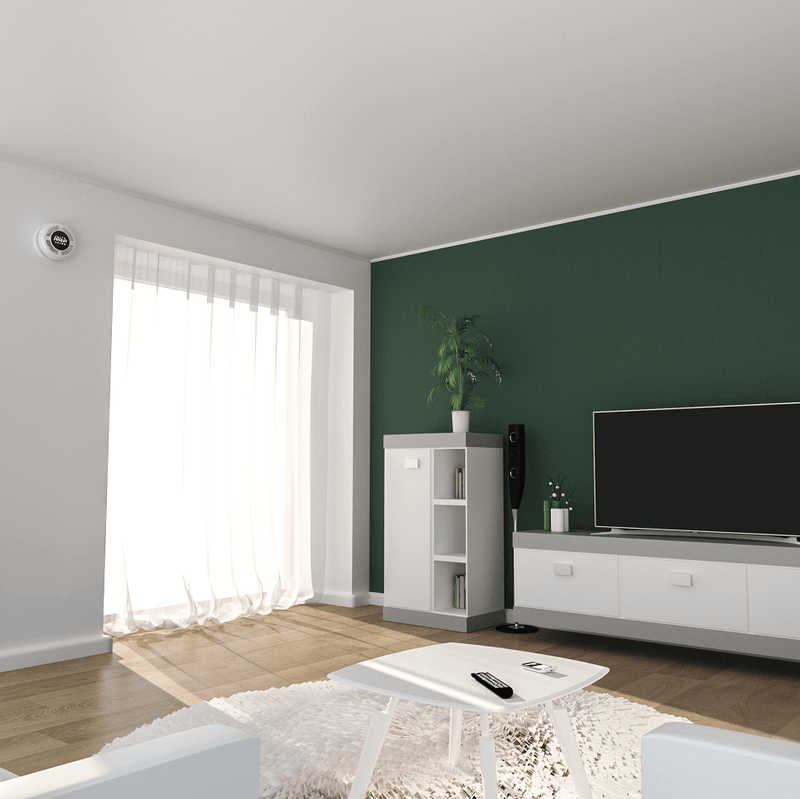
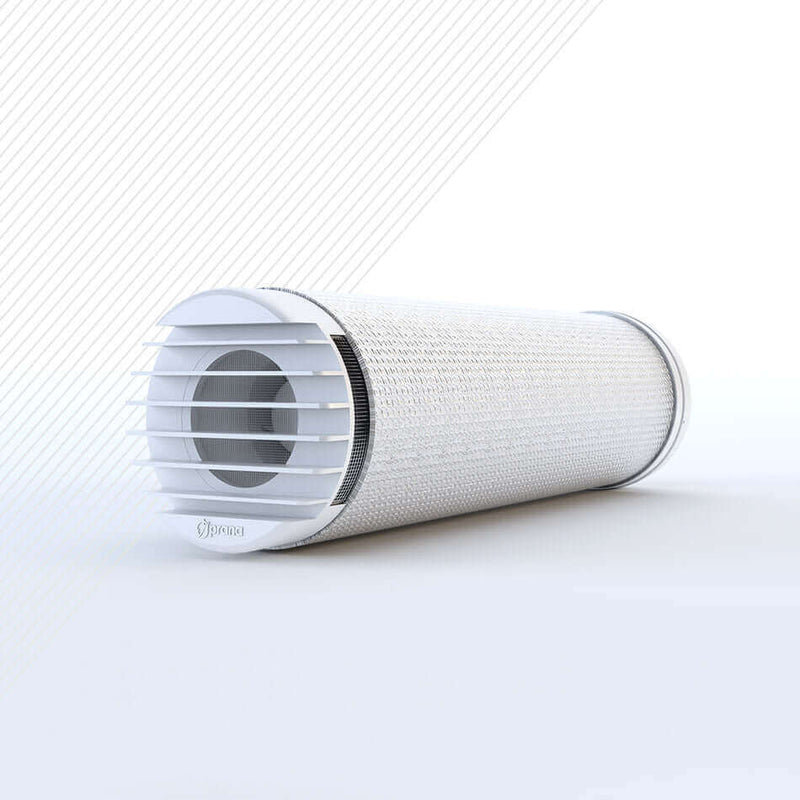
For properties where condensation remains a recurring issue, anti-mould ventilation systems can provide a more consistent approach to managing indoor moisture and improving airflow.
However, ventilation should be considered alongside other measures. A ventilation system cannot compensate for an unresolved plumbing leak, significant water ingress or another source of damp. Identifying and correcting the underlying cause should always be part of the solution.
Practical Tips for a Mould-Free Home
Once existing mould has been dealt with, a few straightforward habits can help reduce the likelihood of it returning:
- Use extractor fans: Run bathroom and kitchen extraction during and after activities that create steam or moisture.
- Improve airflow: Avoid placing large items of furniture directly against cold external walls where possible, as restricted airflow can encourage condensation.
- Dry clothes carefully: Drying wet clothes indoors can significantly increase humidity. Where possible, use an outdoor drying area or a well-ventilated room.
- Deal with leaks promptly: Check pipes, taps, radiators, roofs and window seals for signs of water leakage or dampness.
- Monitor condensation: Regular condensation on windows and cold surfaces can indicate that indoor humidity needs better management.
- Keep rooms adequately heated: Consistent heating can help reduce the formation of condensation on cold surfaces, particularly during winter.
- Check ventilation: Make sure extractor fans and other ventilation equipment are clean, unobstructed and operating correctly.
- Inspect gutters and external areas: Blocked gutters and damaged external surfaces can allow water to reach parts of the property where damp problems may develop.
These measures are particularly important in older properties or homes with limited ventilation, where condensation and damp can be more difficult to control.
Conclusion
Getting rid of mould effectively is not simply about finding the strongest cleaning product. Removing existing growth is only one part of the process; controlling moisture, improving airflow and repairing sources of damp are what make the solution more sustainable.
For homeowners dealing with recurring condensation, appropriate ventilation systems designed to prevent mould can form part of a wider moisture-management strategy. Combined with sensible cleaning, regular ventilation and prompt attention to leaks or damp, these measures can help maintain a cleaner, healthier home environment.