Managing a small number of commercial tenants can be relatively straightforward. The challenge becomes considerably greater when a property accommodates several businesses with different operating requirements, trading patterns and expectations.
A multi-tenant commercial property is more than a collection of individual units. It is a shared environment in which the condition of common areas, maintenance arrangements, tenant relationships and the wider mix of occupiers can all influence how successfully the property performs.
For landlords, the objective should therefore extend beyond simply collecting rent. A well-managed property should provide suitable space for its occupiers, remain attractive to prospective tenants and be maintained in a way that protects its long-term value.
The following strategies can help landlords manage multiple business tenants more effectively while creating a more stable and functional commercial property.
1. Optimise Your Commercial Tenant Mix Strategy
The first step is understanding the different businesses operating within the property. A multi-tenant building is rarely homogeneous. It may contain:
- A retail business that relies heavily on passing trade and customer access.
- A professional services firm that needs well-presented offices and meeting rooms.
- A warehouse or logistics business requiring suitable loading access and storage.
- A café or food business with particular requirements for ventilation, utilities, waste management and customer flow.
Rather than viewing each occupier in isolation, consider how the tenant mix works as a whole.
Ask questions such as:
- Which tenants provide stability or attract regular visitors?
- Which businesses have more variable space requirements?
- Could particular businesses complement one another?
- Are there activities that may create conflicts because of noise, deliveries, customer traffic or operating hours?
Understanding these relationships can help landlords make better decisions about future lettings and property improvements.
For example, customer-facing businesses may be better positioned towards the front of a building, while storage, industrial or delivery-focused occupiers may require easier access to loading areas. A considered tenant mix can also reduce potential conflicts and help the property serve a wider range of businesses effectively.
2. Structure Flexible and Future-Proof Lease Agreements
In a multi-tenant property, leases provide the framework for the landlord-tenant relationship. Clear agreements can reduce uncertainty and make the property easier to manage as circumstances change.
Depending on the property and the negotiated terms, landlords may consider:
- Staggered lease expiry dates: Avoiding a situation where several significant leases end at exactly the same time can help reduce financial and operational pressure.
- Clear permitted-use clauses: The intended use of each unit should be established clearly so that businesses do not unintentionally create conflicts with other occupiers.
- Appropriate review provisions: Rent reviews and other contractual review points should be clearly understood by both parties.
- Clearly defined responsibilities: Tenants should know which repairs, utilities, cleaning and other costs fall within their responsibilities and which are managed by the landlord.
Outgoings also need careful consideration. Where service charges or shared building costs apply, tenants should understand what is included, how costs are calculated and what falls outside the arrangement.
Clear and well-structured leases do not remove every potential dispute, but they can establish expectations from the beginning and make the ongoing management of the property more straightforward.
3. Design Functional Common Areas and Shared Spaces
Common areas are an important part of the experience of occupying a multi-tenant property. Entrances, corridors, shared kitchens, toilets, car parks and loading areas may not belong to any one tenant, but they influence how the entire building is perceived.
Landlords should regularly assess whether these areas are:
- Clean and well maintained.
- Safe and easy to navigate.
- Appropriately lit.
- Clearly signposted.
- Suitable for the volume and type of traffic they receive.
Signage can be particularly important where several businesses operate from the same building. Customers, visitors and delivery drivers should be able to identify the correct unit without unnecessary confusion.
Small improvements can also have a wider effect. Better lighting, refreshed paintwork, improved signage or more practical waiting areas may make the building feel better maintained without requiring a major refurbishment.
4. Optimise Commercial Space and Storage Solutions
Efficient use of space is important to both landlords and commercial tenants. Businesses may gradually accumulate stock, archives, equipment or other items that occupy valuable areas within their premises.
In some circumstances, an external storage solution can allow a tenant to use its main commercial unit more effectively. For example, a business with substantial stock or archived documents could consider Commercial Self Storage for items that do not need to remain immediately accessible.
This could free valuable floor space for customer areas, workstations, displays or operational activities.
For landlords, the wider benefit is that tenants may be able to make better use of their existing premises rather than immediately seeking larger and more expensive space. This can support occupancy and, where the property is suitable, contribute to longer-term tenant retention.
However, any storage arrangement should be considered alongside the tenant’s lease terms, permitted use, insurance requirements and the practical needs of the business.
5. Implement a Proactive Preventive Maintenance Plan
Few things can damage landlord-tenant relationships faster than recurring maintenance problems, particularly when an issue affects several businesses at once.
A proactive maintenance programme is therefore an important part of managing a multi-tenant commercial property. Instead of waiting for equipment or building elements to fail, landlords can schedule inspections, servicing and planned repairs at appropriate intervals.
Planned commercial building maintenance can cover areas such as roofing, heating and ventilation systems, plumbing, electrical installations and other essential building services.
A proactive approach can help landlords:
- Identify smaller problems before they develop into more expensive repairs.
- Schedule disruptive work at suitable times.
- Reduce unnecessary inconvenience for tenants.
- Maintain the overall condition and presentation of the property.
- Support compliance with relevant safety and maintenance responsibilities.
Communication is just as important as the maintenance itself. Tenants should receive reasonable notice of planned works, particularly where access to their premises or disruption to trading is likely.
A building that is consistently maintained also sends an important message to existing and prospective occupiers: the landlord is taking the property seriously.
6. Streamline Landlord-Tenant Communication Channels
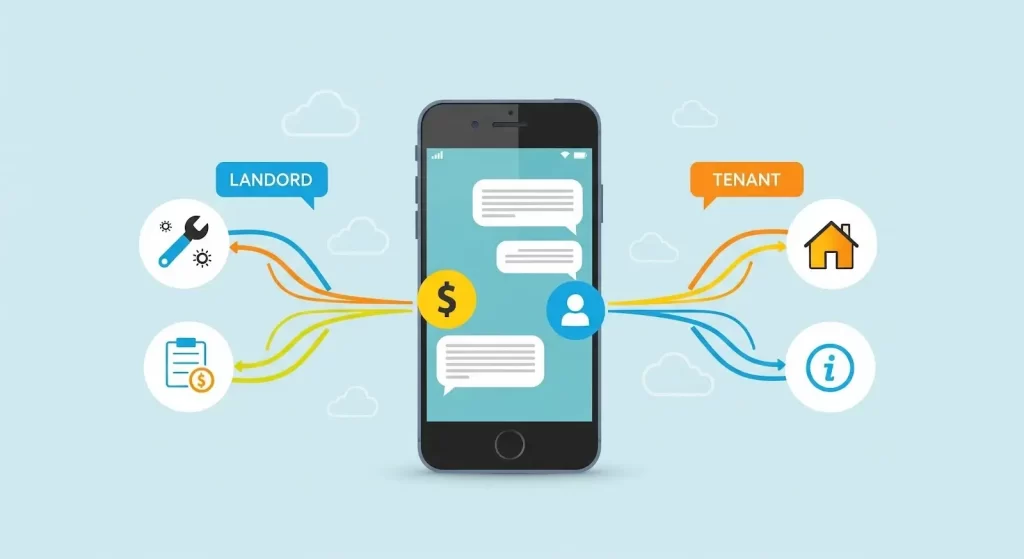
Communication becomes increasingly important as the number of tenants grows. Without a clear process for reporting problems and receiving updates, relatively minor issues can quickly become frustrating.A practical communication system might include:
- One main point of contact: Tenants should know where to report maintenance issues, ask questions or raise concerns.
- Clear response expectations: Landlords do not necessarily need to resolve every problem immediately, but tenants should understand when they can expect an acknowledgement or update.
- Regular check-ins: Periodic conversations can identify emerging concerns before they develop into formal complaints.
- Building-wide updates: Planned works, changes to access arrangements, maintenance schedules and other relevant information should be communicated clearly to affected occupiers.
This does not mean landlords need to be constantly available. A structured communication process can actually make property management more efficient by ensuring that requests are recorded, prioritised and followed up appropriately.
For commercial tenants, knowing that there is a reliable process for dealing with problems can be almost as important as the physical condition of the premises.
7. Leverage Property Management Software
Managing multiple leases, maintenance requests and compliance records through disconnected spreadsheets can become increasingly difficult as a commercial portfolio grows.
Property management software or another well-organised digital system can help landlords keep track of:
- Lease dates, renewal periods and rent reviews.
- Maintenance requests and completed work.
- Inspection schedules.
- Tenant communications.
- Relevant property documentation.
- Safety checks and compliance records.
The right system does not necessarily need to be complicated. Even a straightforward platform can provide reminders for important dates, maintain a history of reported issues and make information easier to locate.
For landlords managing multiple properties or a large number of commercial tenants, having a centralised record can reduce administrative errors and make day-to-day decision-making more organised.
Technology should support good property management rather than replace it. A digital system is most useful when it is combined with clear processes and regular oversight.
8. Manage Commercial Fit-Outs and Upgrades Strategically
Tenant fit-outs and property upgrades can become complicated where different businesses have different requirements. Questions may arise over who pays for improvements, who owns installed items and what happens when a tenant eventually leaves.
Landlords should consider the long-term value of any proposed alteration rather than focusing exclusively on the current occupier.
Useful considerations may include:
- Standardising suitable finishes: Durable flooring, lighting and basic fixtures can make units easier to maintain and re-let.
- Assessing fit-out contributions carefully: Where a landlord contributes towards improvements, the potential long-term benefit to the property should be considered.
- Keeping core services adaptable: Adequate electrical capacity, data infrastructure, ventilation and other building services can make premises suitable for a broader range of future occupiers.
- Agreeing reinstatement requirements: Lease terms should clearly establish what happens to tenant alterations at the end of the tenancy.
The best improvements are often those that serve the current tenant while also increasing the flexibility and appeal of the property for its next occupier.
9. Focus on Tenant Retention and Relationships
Tenant retention is an important part of managing a multi-tenant commercial property. Finding a replacement occupier can involve marketing costs, professional fees, periods of vacancy and potentially additional work to prepare the unit for re-letting.
A strong landlord-tenant relationship can help reduce unnecessary turnover.
This does not mean agreeing to every tenant request. Rather, it means being consistent, professional and responsive.
Where landlords communicate clearly and deal with maintenance and property issues responsibly, tenants are more likely to feel confident about remaining in the building.
Simple actions can help, such as:
- Asking established tenants for feedback before significant common-area improvements.
- Providing reasonable notice of planned works.
- Responding consistently to maintenance requests.
- Reviewing recurring problems rather than repeatedly treating the symptoms.
- Recognising that different businesses may have different operating requirements.
Good relationships can also make discussions about future improvements, lease renewals and changes to the property considerably easier.
Bringing It All Together
Managing several business tenants under one roof requires more than keeping the building occupied. Landlords need to consider how the tenant mix works, how leases are structured, how shared areas are maintained and how effectively tenants can communicate when problems arise.
A proactive approach to maintenance, sensible use of technology and careful management of fit-outs can protect the condition and flexibility of the property. At the same time, understanding the needs of different occupiers can support stronger tenant relationships and help create a more stable commercial environment.
The most effective property strategies are rarely about making a building appear impressive for its own sake. They are about consistent management, sensible investment and creating premises that work well for both the landlord and the businesses occupying them.