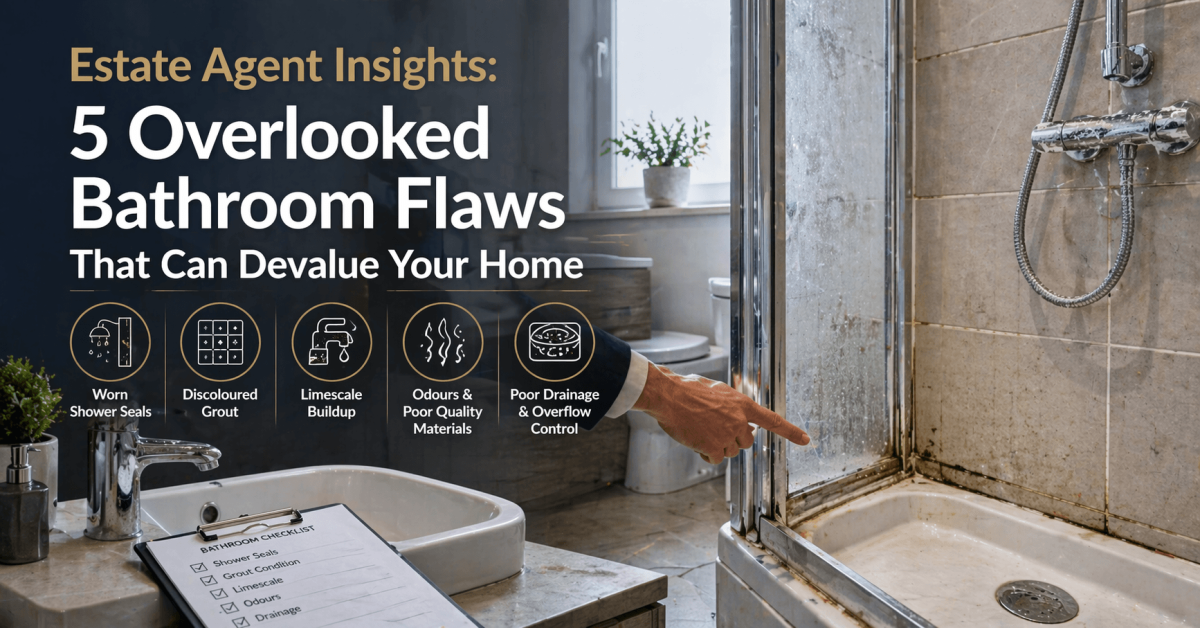
In the UK’s competitive real estate market, “Curb Appeal” often dictates the speed of a sale. However, as experienced estate agents, we find that many vendors focus solely on expensive renovations while overlooking minor bathroom flaws that can derail an entire transaction.
During a viewing, savvy buyers and professional surveyors scrutinise these details. If handled poorly, they become leverage for price negotiations or, worse, red flags for hidden structural water damage.
1. Degradation of the Shower Sealing System
A Chartered Surveyor (RICS) will pay close attention to subtle water tide marks around the shower enclosure. To a homeowner, an aged, discoloured, or warped shower door seal strip might seem like a mere cosmetic issue. However, in a surveyor’s report, it is often flagged as a “potential structural damp risk.”
This triggers a chain reaction: buyers begin to suspect moisture ingress into the floorboards or adjacent walls. In today’s cautious lending market, this suspicion alone can justify a price reduction of £2,000 to £5,000, or even lead to a “down-valuation” by mortgage lenders concerned about potential Wet Rot.
2. The Visual Red Line: Grout and Silicone Discolouration
Grey or black mould spots on tile grout signal two things to a buyer: poor ventilation or a failure in the tanking system. Mould is notoriously difficult to eradicate permanently. This strong visual signal forces buyers to factor in the cost of professional remediation and re-grouting, psychologically devaluing the property before they even leave the room.
3. Limescale: The “Poor Maintenance” Label
In hard water regions like London or Kent, heavy limescale on taps and showerheads is synonymous with neglect. If a prospective buyer sees metalwork encrusted with minerals, they naturally assume the internal pipework and boiler system lack maintenance. Ensuring all metal surfaces are polished and replacing yellowed plastic components is fundamental to achieving a premium sale price.
4. The Sensory Experience: Odours and Material Quality
Persistent bathroom odours aren’t always a cleanliness issue; often, they result from low-grade plastic or hardware components releasing chemical scents in humid conditions. Experienced agents advise vendors to opt for medical-grade, odourless professional seals to ensure the air remains fresh during viewings. This subtle sensory detail creates a lasting impression of a “high-quality home.”
5. The “Live Test”: Drainage and Overflow Control
Smart buyers will often turn on the shower during a viewing to test water pressure. If the water isn’t effectively contained and spills onto the bathroom floor, it immediately triggers an alarm. Installing a scientifically designed, multi-finned shower door seal strip ensures total water containment. This isn’t just a functional fix; it demonstrates to the buyer that the homeowner has invested in professional-grade maintenance.
Conclusion
As leading property experts, we recommend a “bathroom health check” before listing a property or starting a new tenancy. Ensuring the shower sealing system is in peak condition ensures a “Clear Report” from surveyors and signals to buyers that the property has been meticulously cared for, placing you in a far stronger position during price negotiations.