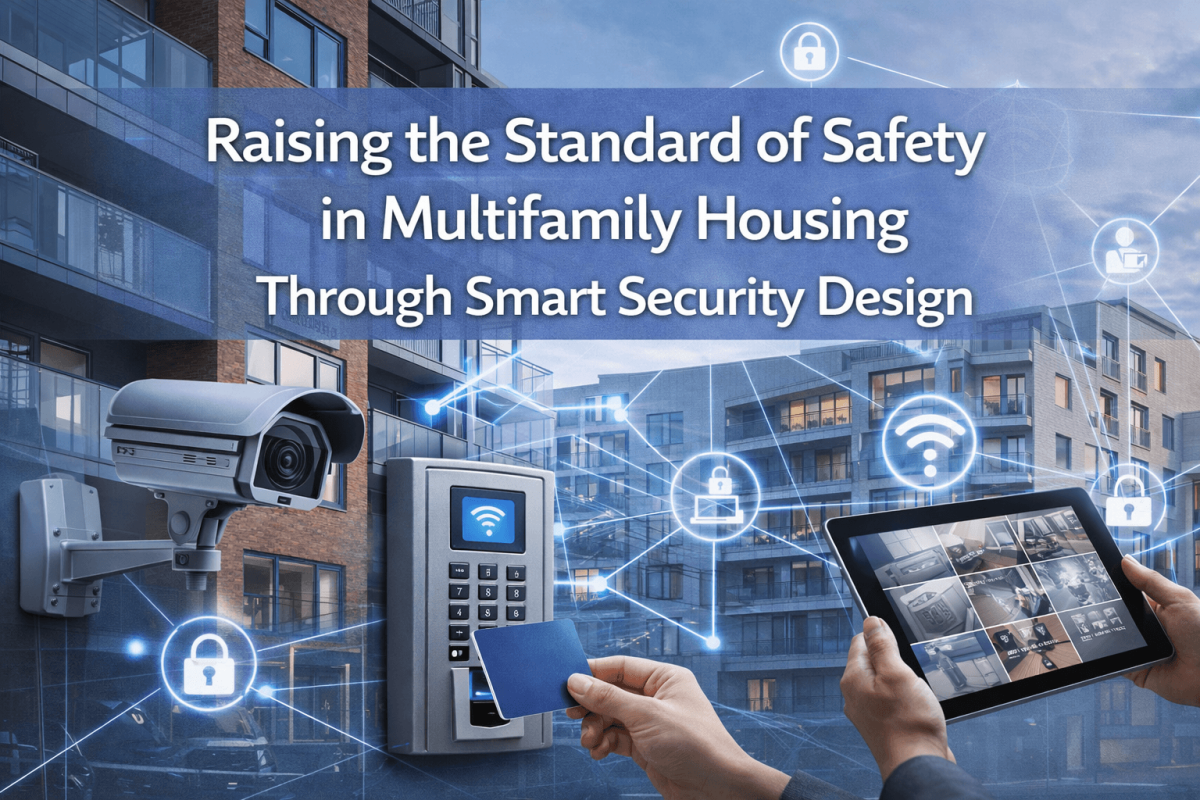
Multifamily housing communities have changed significantly over the years. They are no longer just collections of units—they are dynamic environments where residents expect comfort, privacy, and a strong sense of security. For property managers, meeting these expectations requires more than basic measures. It involves designing systems that protect without disrupting everyday life.
As buildings grow more connected and resident expectations rise, security planning must evolve. A thoughtful approach combines physical safeguards, digital protection, and operational awareness to create a balanced and effective system.
The Complexity of Security in Residential Communities
Unlike single-family homes, apartment complexes involve shared access points and common areas. Hallways, elevators, parking garages, and recreational facilities all introduce potential vulnerabilities. Managing these spaces effectively requires a coordinated strategy that accounts for both movement and access.
High resident turnover and frequent visitor traffic add another layer of complexity. Deliveries, service providers, and guests move in and out of the property regularly, making it essential to maintain security without creating unnecessary barriers.
Building a Comprehensive Security Framework
Access Control as a Foundation
Controlling entry points is one of the most effective ways to improve security. Modern systems allow property managers to use keycards, mobile credentials, or secure codes to regulate access. These tools provide convenience while ensuring that only authorized individuals can enter specific areas.
When combined with well-designed entryways and clear signage, access control systems help create a structured and secure environment that residents can trust.
Surveillance and Real-Time Monitoring
Surveillance systems provide visibility across the property, allowing managers to monitor activity and respond to incidents quickly. Cameras placed in strategic locations can deter unwanted behavior while offering valuable insights into daily operations.
Real-time monitoring enhances this capability by enabling immediate action when issues arise. This proactive approach helps prevent minor concerns from becoming larger problems.
Specialized Security Solutions for Multifamily Properties
Every residential community has unique characteristics, from layout to resident demographics. Standard security setups often fail to address these nuances effectively. This is why many property managers explore tailored services like Pioneer Security residential security solutions.
These solutions are designed specifically for multifamily environments, combining customized monitoring strategies, advanced technology, and risk assessments that align with the needs of each property. By focusing on real-world conditions, they deliver a more reliable and adaptable approach to safety.
Incorporating Lessons from Residential Security Practices
Insights from broader residential security practices can provide valuable guidance for multifamily settings. For example, strategies discussed in comprehensive home safety approaches emphasize the importance of layered protection and consistent maintenance.
Applying these principles at scale helps property managers create systems that are both effective and sustainable. It also ensures that security measures remain practical for everyday use.
Addressing Digital Security Risks
As apartment complexes adopt smart technologies, digital security becomes increasingly important. Systems that manage access control, surveillance, and resident data must be protected against cyber threats.
Guidance from sources like common defensive cybersecurity practices highlights the importance of regular updates, secure configurations, and user awareness. Incorporating these measures helps protect both operational systems and sensitive information.
Creating a Resident-Centered Security Experience
Security systems should enhance, not hinder, the living experience. Residents value convenience and privacy, and overly intrusive measures can lead to dissatisfaction. The key is to integrate security in a way that feels natural and unobtrusive.
Features such as mobile access, discreet surveillance, and responsive support services help create a positive experience. When residents feel both safe and comfortable, the overall quality of the community improves.
The Role of Communication and Awareness
Effective security relies on more than just technology—it depends on people. Property managers, staff, and residents all play a role in maintaining a safe environment. Clear communication and regular updates help ensure that everyone understands their responsibilities.
Encouraging residents to report concerns and follow established guidelines strengthens the overall security framework. This collaborative approach creates a sense of shared responsibility within the community.
Planning for the Future of Multifamily Security
Security needs continue to evolve as technology advances and communities grow. Systems must be designed with flexibility in mind, allowing for upgrades and expansion without significant disruption.
Emerging technologies such as automation and data analytics offer new opportunities to improve efficiency and effectiveness. Staying informed about these developments helps property managers make strategic decisions that support long-term success.
Conclusion
Raising the standard of safety in multifamily housing requires a thoughtful and integrated approach. By combining access control, surveillance, cybersecurity, and community involvement, property managers can create environments that are both secure and welcoming.
When security is designed with intention and adaptability, it becomes a key part of what makes a residential community thrive. Residents gain peace of mind, and property owners build a foundation for lasting success.